2024
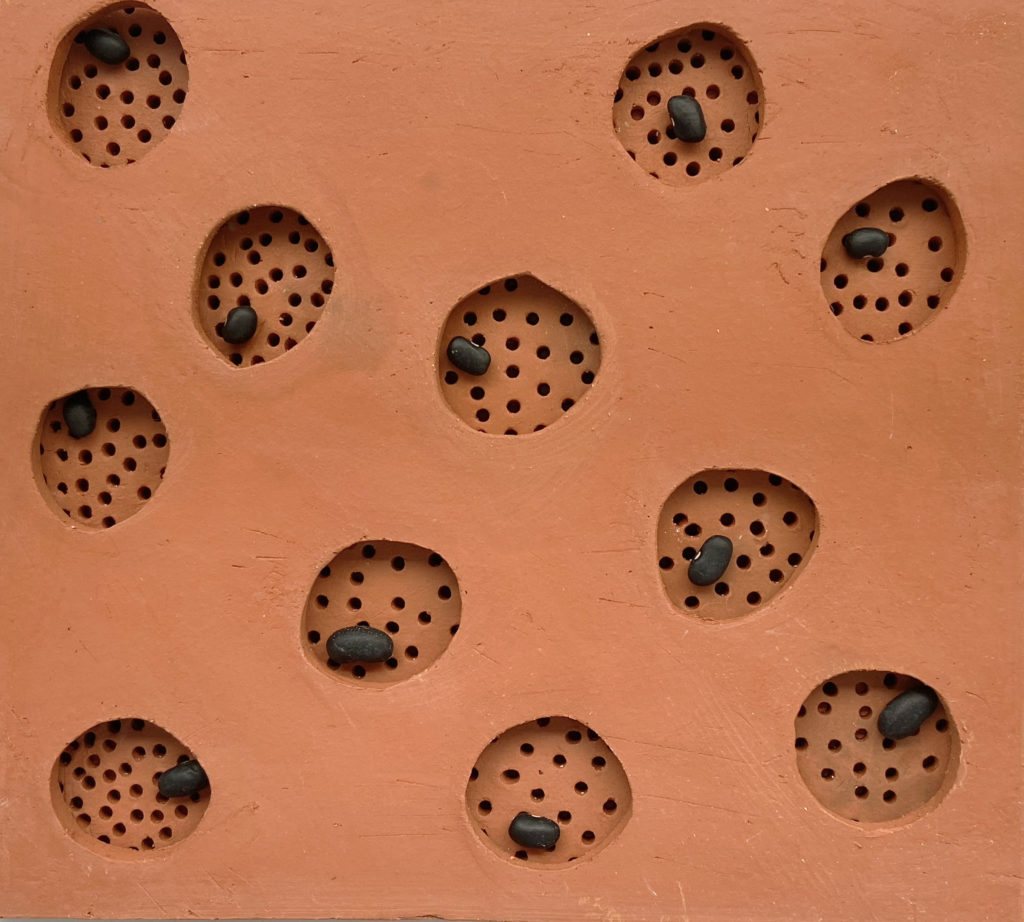
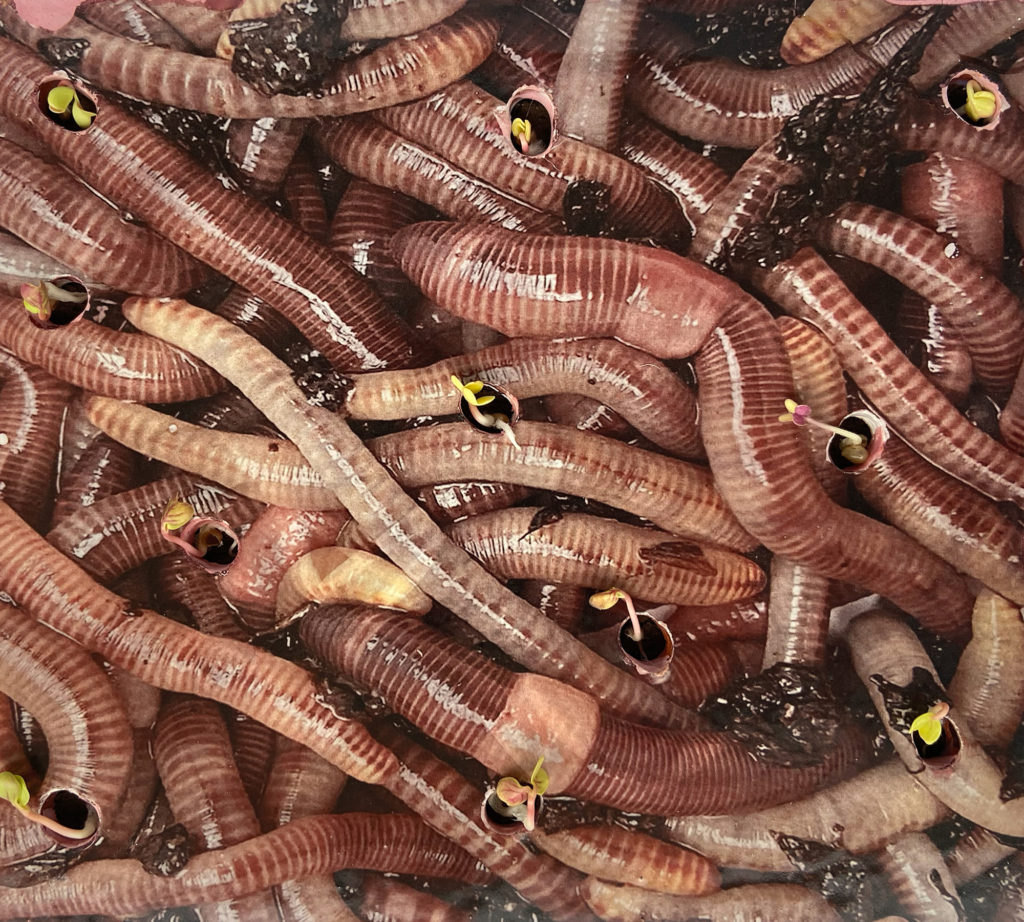
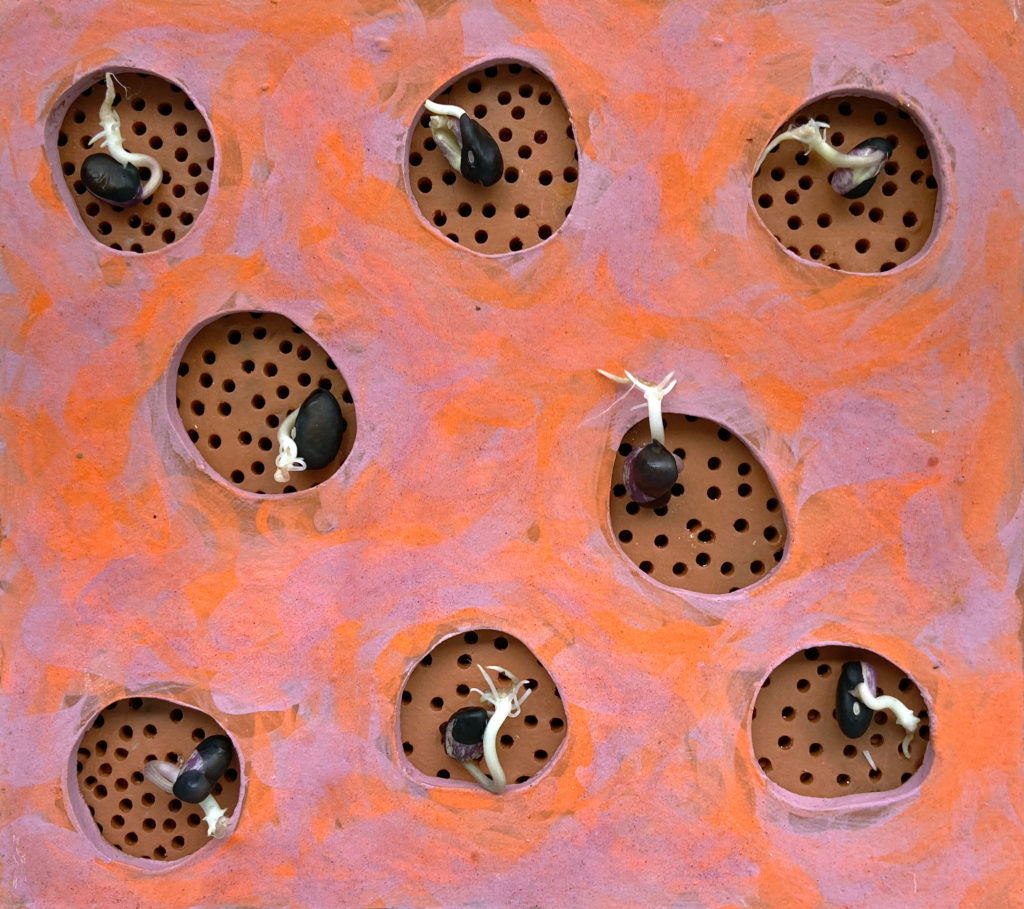
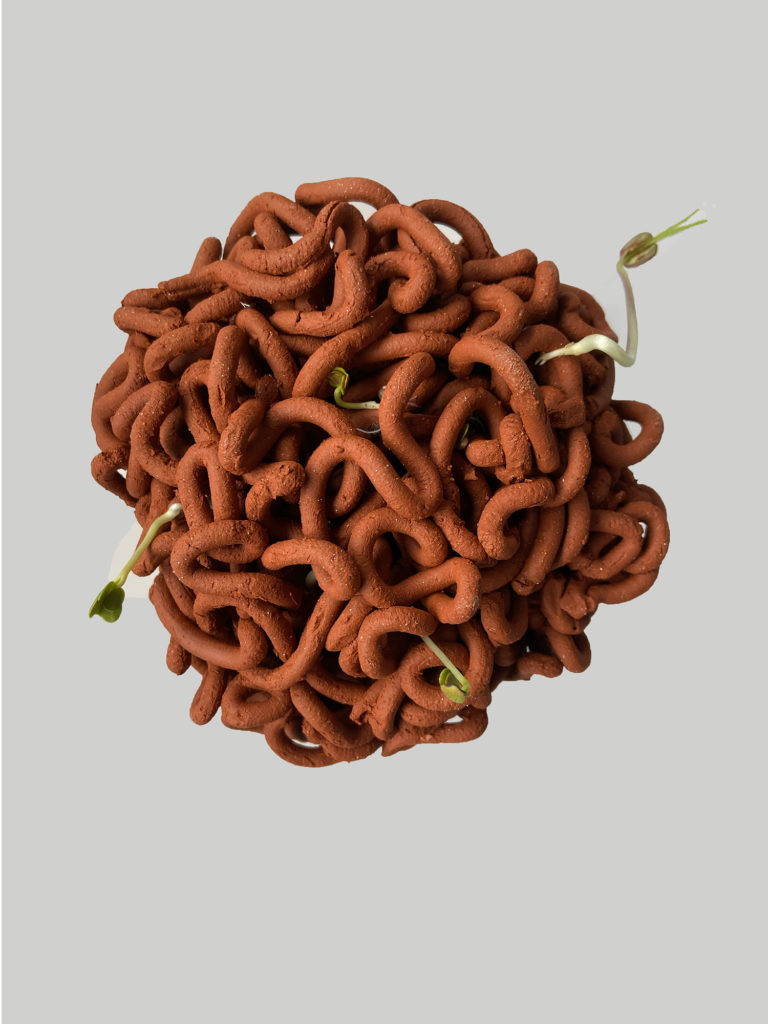
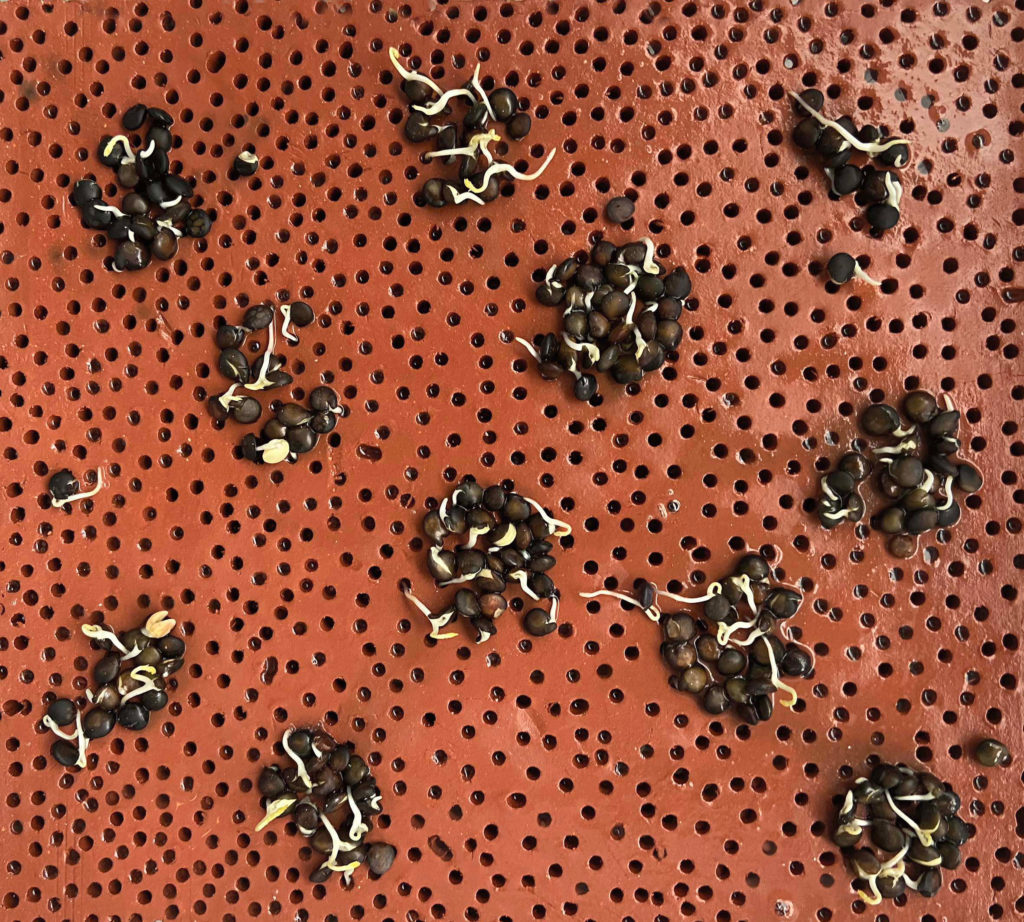
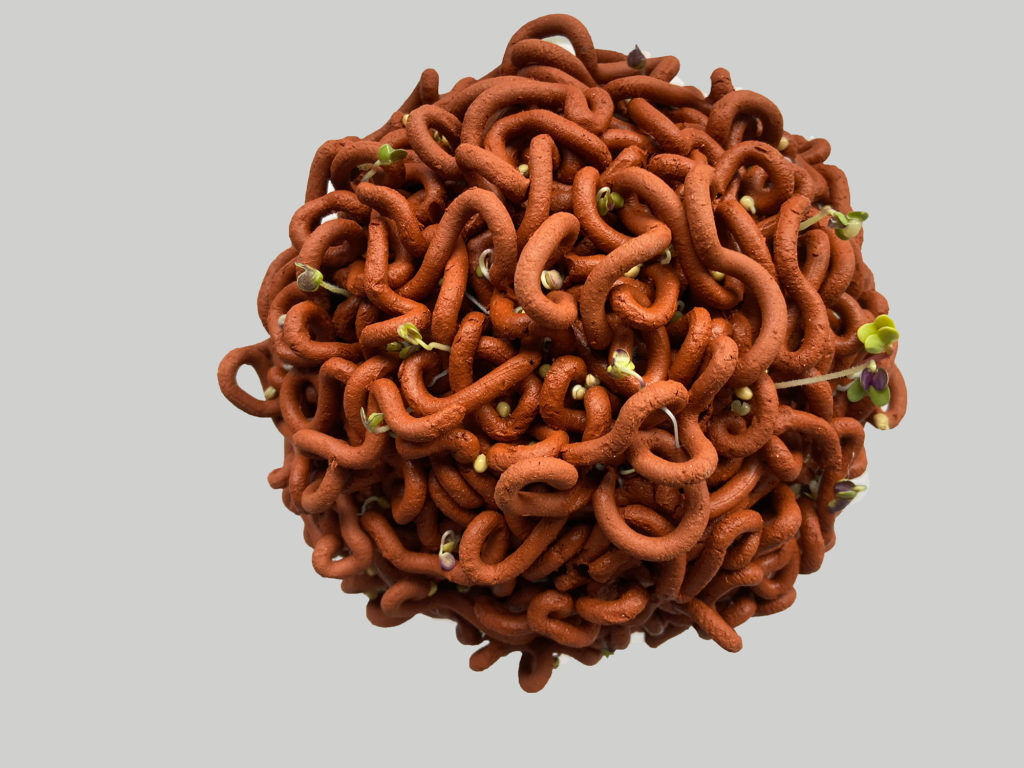

In its raw state, clay acts as a water reservoir, enriching soils and forming a key component of the clay–humus complex (including earthworms and humus) that supports microbial and organic life. Once transformed into ceramic, it becomes an artefact that extends this capacity for moisture retention. The pieces presented here—specifically designed to facilitate germination—invite us to reconsider clay not as a passive resource but as a dynamic material, thanks to its porosity and its ability to act and interact within ecosystems.
Dans son état brut, l’argile sert de réservoir d’eau, enrichissant les sols et constituant un élément essentiel du complexe argilo-humique (incluant les vers de terre et l’humus) qui soutient la vie microbienne et organique. Transformée en céramique, elle devient un artefact qui prolonge cette capacité de rétention d’humidité. Les pièces présentées ici, notamment conçues pour faciliter la germination, invitent à repenser l’argile non plus comme une ressource passive mais comme une matière dynamique grâce à sa porosité et à son pouvoir d’agir et d’interagir dans les écosystèmes.
Noron clay (Normandy), fired at 800 °C; mustard and black bean seeds; image transfer on glazed ceramic. Variable dimensions.